Mapping Player Choices to Reward Structures Across Top UK Casino Sites
Written by Paul Fischer · Oct 15, 2026
Mapping Player Choices to Reward Structures Across Top UK Casino Sites
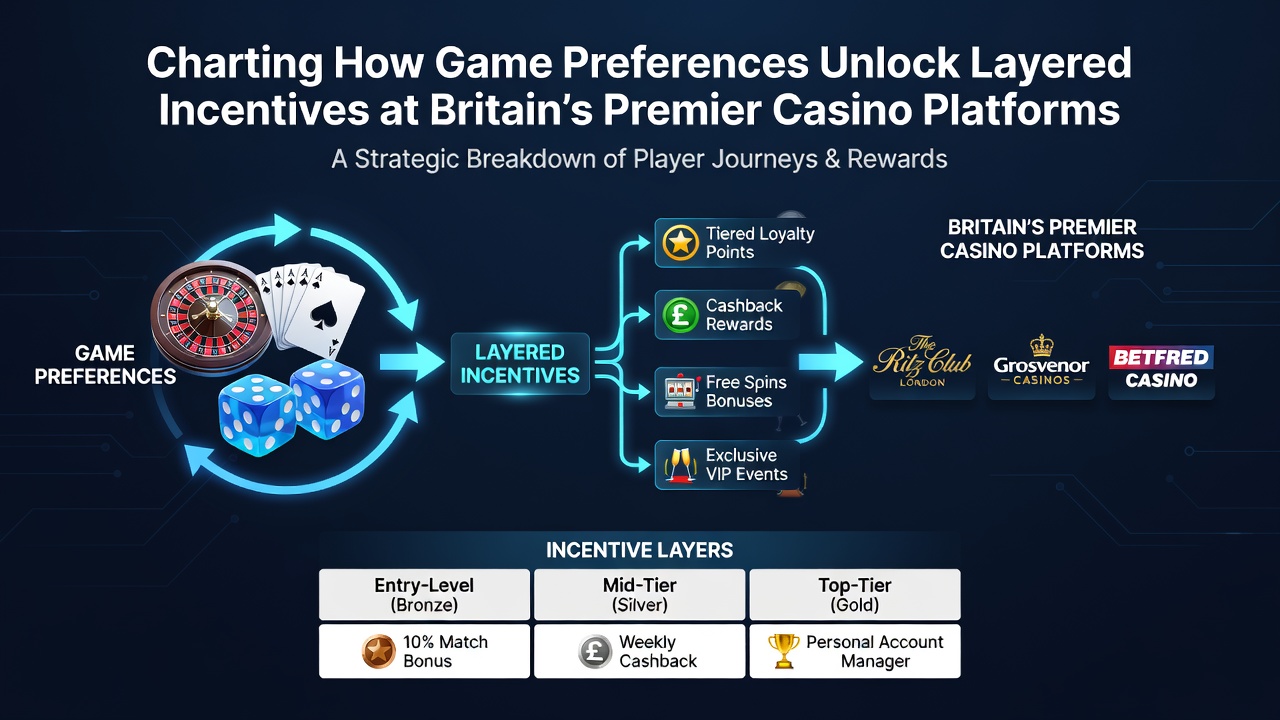
Player selections in slots, table games, and live dealer formats shape access to multi-level rewards at Britain's leading casino platforms, where operators track engagement patterns to deliver targeted bonuses and loyalty advancements. Data from October 2026 shows continued growth in personalised offers tied directly to preferred game types, with operators adjusting structures based on real-time play metrics.
Core Game Categories and Their Role in Incentive Design
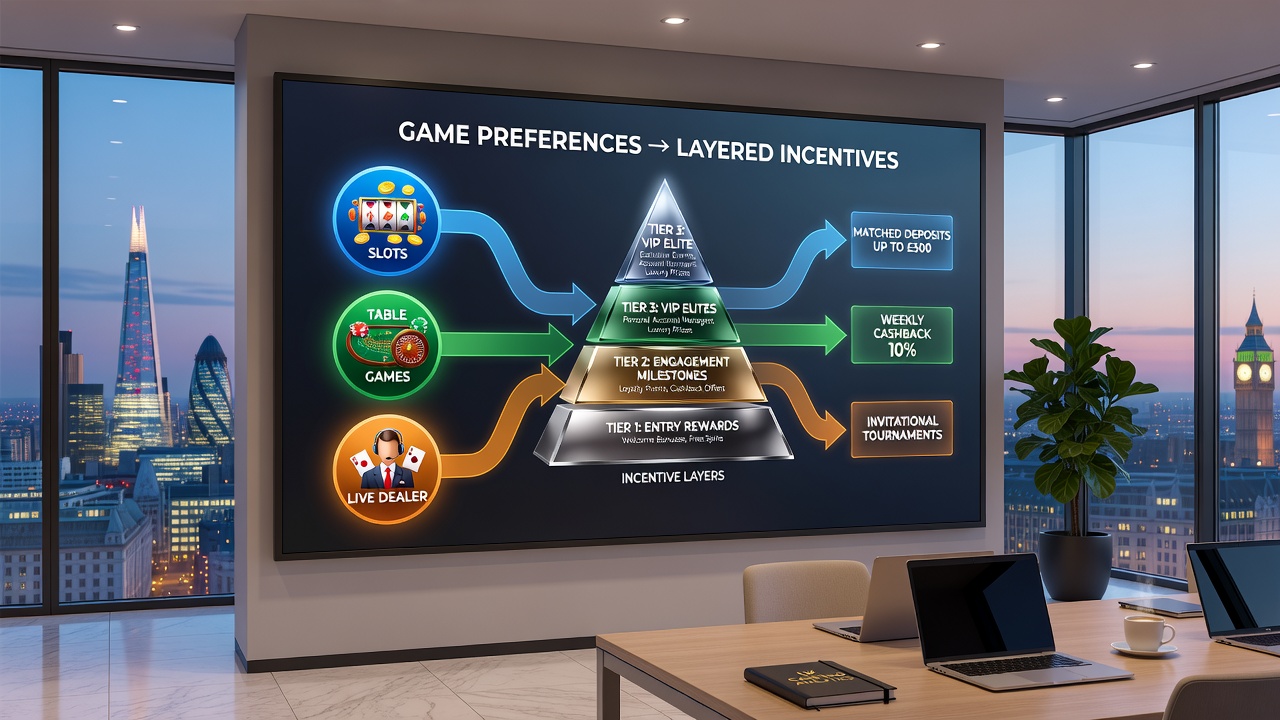
Slots remain the dominant category across major platforms, driving the majority of player time and triggering entry-level deposit matches along with free spin bundles that escalate into higher tiers once volume thresholds are met. Table game enthusiasts often encounter different pathways, where blackjack and roulette sessions unlock cashback percentages and exclusive tournament entries that accumulate over successive months. Live dealer preferences add another dimension, as operators monitor session lengths to release VIP lounge access and dedicated account management after consistent participation.
Operators segment these preferences into data layers that determine when and how incentives activate, creating a system where sustained play in one category accelerates progression while diversification across formats can open parallel reward streams. Figures from industry tracking services indicate that players who concentrate on video slots achieve faster loyalty point accumulation compared with those focused solely on table games during the same period.
Data Patterns Emerging in Late 2026
Recent analytics released by the Australian Gambling Research Centre highlight similar preference-driven models operating internationally, where UK platforms have adopted comparable segmentation techniques to refine their offerings. In Britain, October 2026 records reveal that mobile slot sessions now account for over 60 percent of tracked activity on premier sites, correlating with elevated rates of no-wager spin releases and accelerated VIP ladder climbs.
Those who shift between slots and live dealer games demonstrate higher retention in loyalty programmes, receiving layered incentives such as personalised reload bonuses stacked alongside milestone rewards. This pattern holds across several leading operators, where preference mapping allows systems to predict and pre-load suitable offers without manual player requests.
Layer Activation Mechanics at Major Platforms
Entry-level incentives typically activate after initial deposits paired with any game category, yet subsequent layers require demonstrated preference through repeated play in specific titles or formats. A player favouring progressive jackpot slots might receive escalating contribution multipliers toward loyalty points, while a live roulette participant could unlock separate cashback tiers that reset monthly based on table limits chosen.
Systems at top sites integrate these mechanics so that crossing certain thresholds in one category automatically grants access to benefits in another, encouraging measured diversification. Observers note that such cross-category unlocks have increased in frequency throughout 2026, with platforms using algorithmic triggers rather than static calendars to time the releases.
Platform-Specific Implementation Examples
One established operator links high-volume slot play directly to weekend tournament buy-ins and separate mobile-only spin packs, whereas another routes table game activity toward live dealer cashback pools that compound with overall deposit history. These variations demonstrate how preference data feeds distinct incentive architectures while maintaining compliance with broader regulatory frameworks outside the UK Gambling Commission remit.
Research compiled by the International Gaming Institute at the University of Nevada supports the observation that preference-based layering improves player lifetime value across multiple jurisdictions, a finding reflected in current British platform strategies. October 2026 updates show several sites refining their algorithms to incorporate session timing alongside game type, further personalising when layered rewards appear in user accounts.
Conclusion
Game preferences continue to function as the primary key to layered incentive systems at Britain's premier casino platforms, with operators refining segmentation models to match engagement data collected through October 2026. The resulting structures reward consistent category focus while offering pathways for players who explore multiple formats, producing a dynamic reward environment grounded in measurable play patterns rather than uniform promotions.